What Inclusive Leadership Actually Looks Like in 2026
… And Why Most Organizations Are Still Getting It Wrong
Let's be honest. "Inclusive leadership" has been attached to so many PowerPoint slides, diversity statements, and one-day trainings that it's starting to lose its meaning. Organizations are checking boxes and wondering why nothing is actually changing.
Here's the truth: inclusive leadership isn't a training module or a diversity hire. It's a daily practice a way of showing up, making decisions, and redistributing power. And in 2026, the leaders who understand this are the ones building teams that genuinely thrive.
The Myth of the Inclusive Leader Title
One of the biggest mistakes organizations make is treating inclusive leadership as a personality trait rather than a set of skills. They promote someone from a marginalized background, hand them a DEI title, and consider the job done.
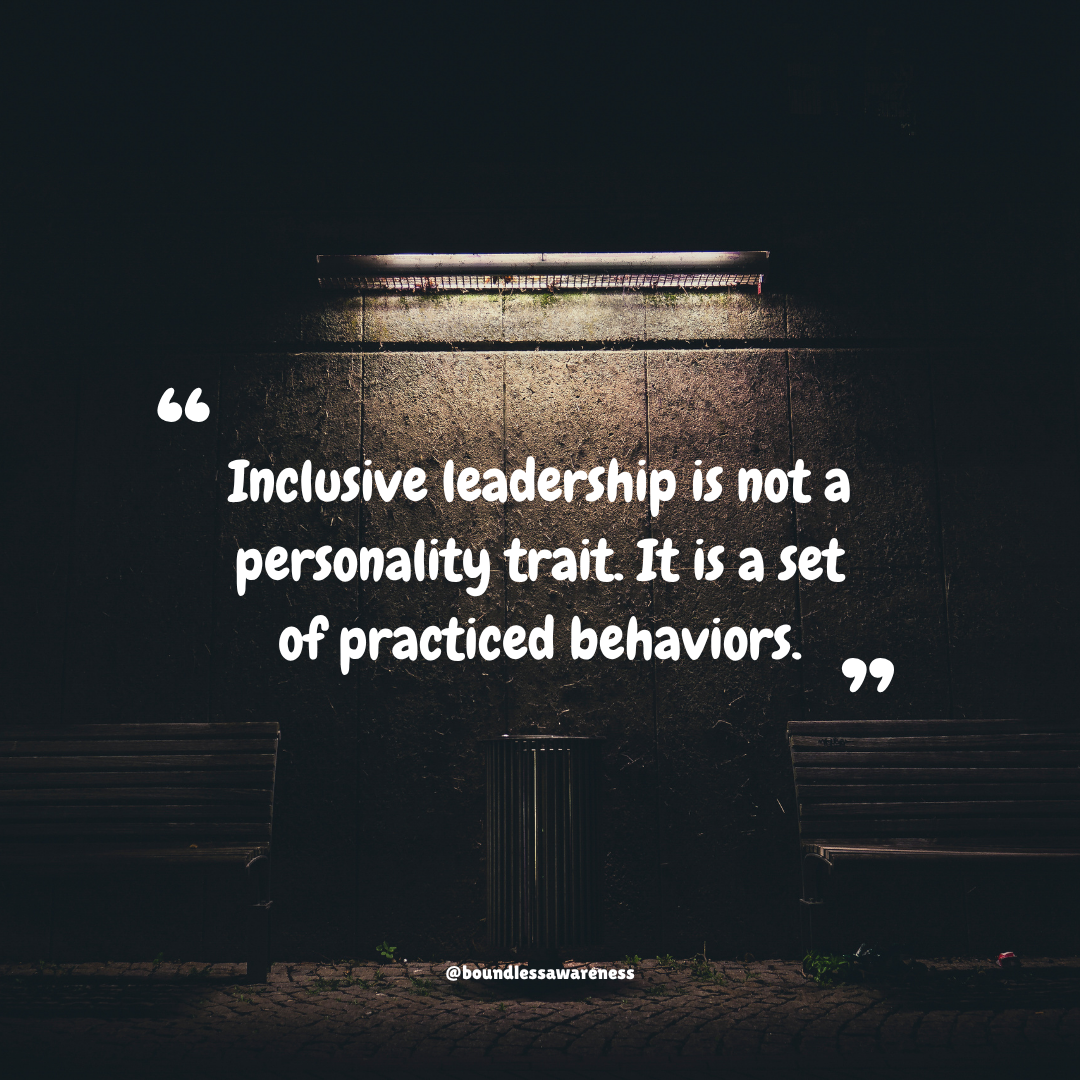
Inclusive Leadership
Whatever it is, the way you tell your story online can make all the difference.But inclusive leadership isn't something you are it's something you do, consistently, especially when it's uncomfortable.
But inclusive leadership isn't something you are it's something you do, consistently, especially when it's uncomfortable.
“Inclusive leadership is not a personality trait. It is a set of practiced behaviors and the most powerful ones happen in the moments no one is watching.”
What Most Organizations Are Getting Wrong
Treating DEI like a compliance exercise, scaling back when it gets political instead of staying the course.
Confusing diversity with inclusion. Diversity is who's in the room. Inclusion is whether they can actually speak and whether anyone is listening.
Skipping the inner work. Tactics without self-awareness produce performative leadership. People feel the difference.
Measuring representation instead of belonging. Headcounts don't tell you whether people feel seen, safe, and valued.
What It Actually Looks Like in Practice
Genuinely inclusive leaders make space before they take up space. They act on feedback instead of just collecting it. They speak up in uncomfortable moments rather than staying quiet to keep the peace. And they consistently examine who is getting opportun
“The most inclusive organizations in 2026 won’t have the most diverse hiring metrics. They’ll be the ones where every leader, at every level, has done the inner work.”
This kind of leadership doesn't happen by accident. It's built through sustained reflection, honest feedback, and often coaching.
Where to Start
Audit your own patterns. Who do you champion, mentor, and bring into key decisions? Be honest about what you find.
Invest in coaching, not just training. Training informs. Coaching transforms.
Make belonging measurable. Ask your team how included they actually feel then build systems to act on what you hear.
Inclusive leadership is not a destination. It's a direction. And the leaders who keep moving in that direction, even when it's hard are the ones building organizations worth working for.
