Legal Protection Isn't the Same as Belonging
When states pass protections for transgender employees, when governors veto anti-trans legislation it matters. These legal wins prevent harm. They draw a line: this is the floor of what we protect.
But here's what those protections can't do: they can't walk into your workplace and create psychological safety.
A law says "you can't discriminate." It doesn't say "your coworkers will use your correct pronouns without you asking." It doesn't say "you won't spend your workday managing everyone else's discomfort with your existence." It doesn't say "your leadership team understands the difference between tolerating you and including you."
That gap between legal compliance and actual belonging is where most trans employees live.
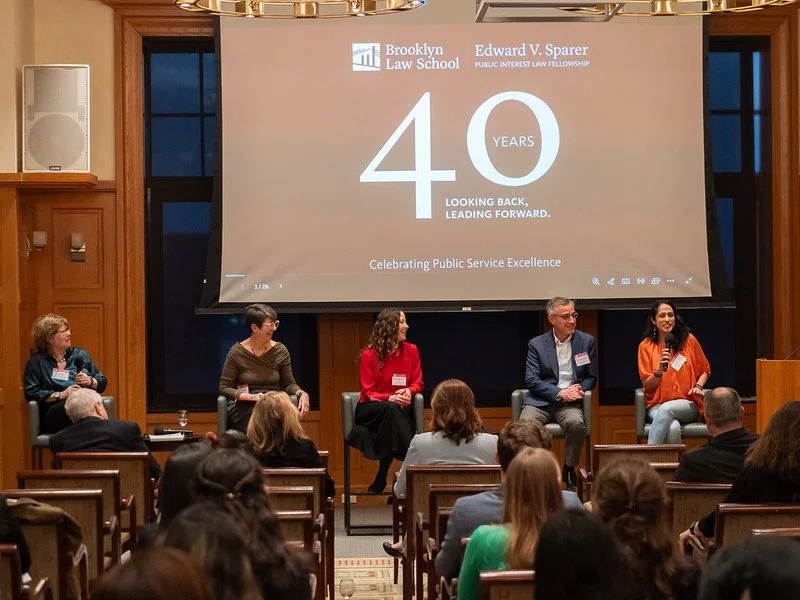
Pooja lecture at Brooklyn Law
The Hidden Cost of Incomplete Inclusion
We talk about inclusive workplaces like they're a checkbox. You add pronouns to your email signature, you update your bathroom policy, you schedule a DEI training in March Boom, Inclusive.
The thing is inclusion that stops at policy creates a specific kind of burden for trans employees: they become the ones managing the culture. They correct pronouns. They explain their identity. They monitor every conversation for the next microaggression. They wonder, constantly, if they're actually welcome or just legally tolerated.
That's not psychological safety, That's survival.
Psychological safety the kind that actually matters for trans employees means:
Leaders who have done their own work and interrupt bias without being asked
Colleagues who get pronouns right the first time because they've practiced, not because they were corrected
Conversations where trans employees can contribute ideas without first having to educate people about their existence
A culture where belonging isn't something you have to prove or perform
This doesn't happen by accident and it doesn't happen because of a policy.
Where Real Inclusion Happens
Real inclusion happens in the spaces between policy and practice. It happens in one-on-one conversations where a leader examines their own assumptions. It happens in team trainings where people learn to interrupt bias in real time. It happens when organizations commit to the harder, longer work of cultural transformation not just compliance.
At Boundless Awareness, this is the work we do. We don't treat inclusion as a box to check. We treat it as a practice, something that happens daily, led by leaders who've examined their own biases and chosen to show up differently.
We work with organizations to build psychological safety where trans employees don't carry the burden of being the educators. Where leaders understand that real inclusion requires intentional work, vulnerability, and a willingness to get uncomfortable.
This is the work that turns legal protection into actual belonging.
What Executives and HR Leaders Need to Know
If you're leading an organization where trans people work, whether it's one person or fifty you have a choice. You can meet the legal minimum: updated policies, correct names in systems, bathrooms that work. That's necessary but it's not enough.
Or you can go deeper. You can build a culture where trans employees actually belong. Where psychological safety isn't aspirational it's operational. Where your leadership team understands that inclusion is a practice, not a destination.
The second path is harder. It requires training, coaching, and a real commitment to examining how unconscious bias shows up in your organization. But it's the path that changes things. It's the path where trans employees can do their jobs without also doing invisible emotional labor.
It's the path that transforms workplaces.
“Legal protection and psychological safety aren’t the same thing. Real inclusion happens in the spaces between policy and practice.”
Ready to Build Psychological Safety in Your Workplace?
Belonging can't wait. If you're ready to move beyond compliance and build a culture where trans employees actually thrive, let's talk.
Our customized workshops and executive coaching help leaders examine their biases and build psychological safety as a daily practicenot just a policy.
Book a Consultation with BoundlessAwareness
