The Difference Between a DEI Program and a Real Equity Strategy
…And Why It Matters More Than Ever in 2026
Your organization has a DEI program. You have a statement on your website. You ran unconscious bias training last year. You celebrated Heritage Month. So why does your workplace still feel the same for the people it was supposed to help?
This is because a DEI program and a real equity strategy are not the same thing and confusing the two is one of the most expensive mistakes organizations make.
What a DEI Program Usually Looks Like
DEI programs are typically event-driven and compliance-focused. They show up as annual training sessions, diversity hiring targets, ERGs with no budget, and celebration months that end when the calendar flips. They are reactive designed to respond to pressure, not to create change.
None of this is worthless but none of it is enough.
“A DEI program asks: how do we look? A real equity strategy asks: how do we function and who does our system leave behind?”
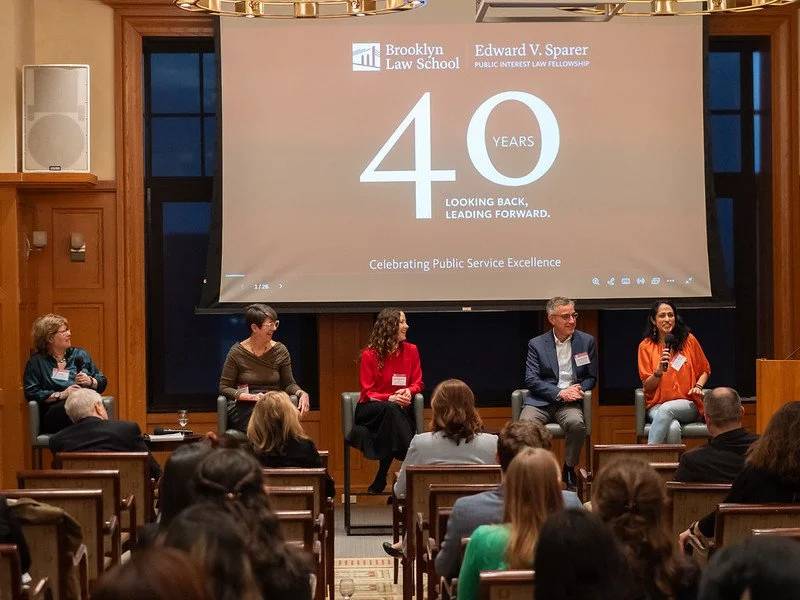
Pooja Kothari Speaking at 40 years of Brooklyn Law School
What a Real Equity Strategy Looks Like
An equity strategy is systemic. It examines the structures, policies, and norms that determine who gets hired, who gets promoted, who gets funded, and who gets heard. It asks hard questions about power and then makes deliberate changes to redistribute it.
A real equity strategy includes: pay equity audits conducted and acted on, promotion criteria that are transparent and consistently applied, leadership pipelines that actively develop underrepresented talent, and accountability structures that tie equity outcomes to leadership performance reviews.
The difference is depth, DEI programs sit on top of a system and Equity strategy changes the system.
Why This Distinction Matters in 2026
With DEI facing unprecedented political backlash, organizations are under pressure to scale back or rebrand their efforts. The ones that survive this moment with their integrity intact are those that were never just running programs, they were building equity into how they operate.
Programs can be cancelled. Culture changes cannot be undone as easily. That is why strategy always outlasts programming.
How to Know Which One You Have
Ask yourself these questions. Are your equity efforts tied to specific, measurable outcomes — or just activities? Do leaders at every level have accountability for equity results? Is your data disaggregated enough to reveal where gaps actually exist? If you cannot answer yes to all three, you have a program, not a strategy.
The good news: it is never too late to build the strategy, It starts with an honest assessment of where you are and a commitment to go deeper than the surface.
